How to Tell If Your Car's Suspension Is Worn
Does your car feel bouncier, noisier or less stable than it used to? Suspension parts help keep tyres in contact with the road and control vehicle movement. As they wear, the changes can be gradual and easy to overlook. Here are seven signs worth paying attention to, and what to do next.
1. Your Car Bounces More Than It Used To
A healthy suspension helps control how the body moves after bumps. If your vehicle continues bouncing or feels floaty after uneven road surfaces, worn shock absorbers or other suspension components may be contributing. Different vehicles ride differently, so compare the behaviour with how your own car normally feels. A workshop inspection is the safest way to identify the cause.
2. You Notice Clunks or Knocks Over Bumps
Knocking or clunking when driving over bumps can point to worn bushes, ball joints, mounts or other components. Sounds may also come from unrelated parts, so noise alone cannot confirm a suspension fault. Note when it happens, such as at low speed, when turning or on rough roads, and share that detail with your mechanic.
3. Your Tyres Are Wearing Unevenly
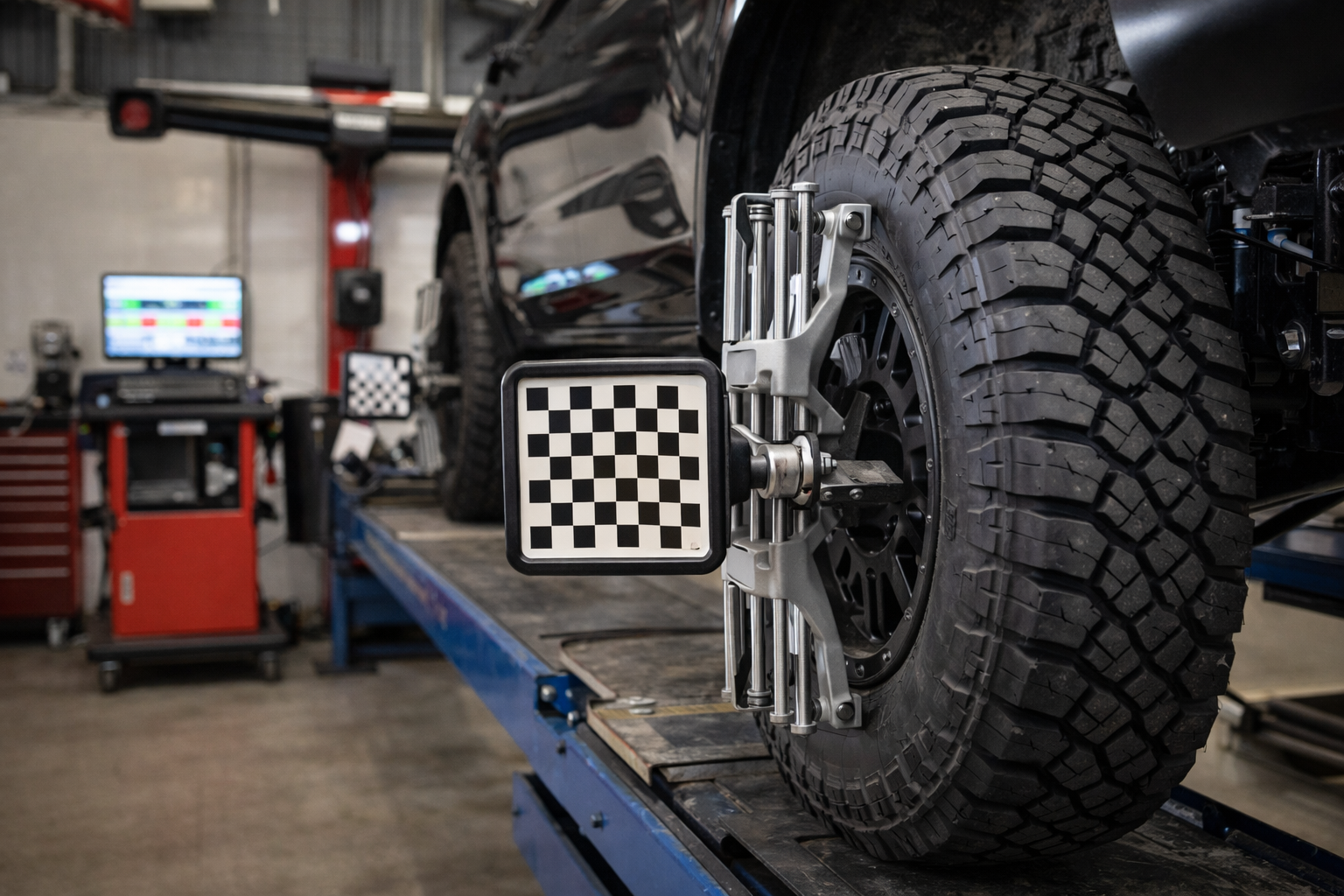
Uneven tread wear can be linked to worn suspension components, incorrect wheel alignment or tyre pressures. Inspect the inner and outer edges as well as the centre of each tyre. If you spot unusual wear, have the vehicle checked before replacing tyres. TSS also provides tyre supply and fitting and wheel alignment in Toowoomba.
4. The Car Dives, Squats or Rolls More Than Normal
Excessive nose-diving under braking, rear-end squat under acceleration or body roll in corners can be signs that suspension control has deteriorated. Load, tyre condition and driving conditions also affect these sensations. If handling has changed noticeably, arrange an inspection rather than trying to diagnose the fault while driving.
5. Steering Feels Vague or the Vehicle Wanders
Worn suspension or steering components can make a vehicle feel less precise, especially on uneven roads. Incorrect alignment and tyre issues can also produce wandering. Because these symptoms overlap, an inspection should cover the relevant steering and suspension parts. Learn about TSS steering repair services.
6. Your Vehicle Sits Unevenly
If one corner appears lower than the others on level ground, a damaged spring, sagging component or uneven load may be involved. Check that the vehicle is parked on a genuinely level surface and is not carrying an unusual load. Do not crawl under an unsupported vehicle to investigate; have the suspension examined professionally.
7. You Can See Leaks or Damaged Components
Visible fluid around a shock absorber, torn rubber bushes, damaged dust boots or bent parts can indicate a problem. Some light residue may not mean a shock has failed, so a technician should assess its condition. If you notice significant damage after an impact, avoid continuing to drive until the vehicle's safety has been assessed.
What Causes Suspension Parts to Wear?
Suspension components are exposed to road impacts, changing loads, heat, dirt and normal ageing. Potholes, kerb strikes, heavy accessories and frequent rough-road use can accelerate wear. Passenger cars, work utes and 4WDs experience different demands, which is why the right inspection and repair approach depends on the vehicle.
Is It Safe to Drive With Worn Suspension?
Some faults mainly affect ride comfort, while others can compromise handling, braking stability or steering control. If your vehicle feels unstable, has a severe knock, shows obvious damage or is difficult to control, stop driving when safe and arrange professional assistance. Do not rely on a simple bounce test to decide whether the vehicle is roadworthy.
Should You Replace Shocks, Springs or Bushes?
The right repair depends on which components are worn or damaged. Replacing shock absorbers will not fix a failed ball joint, and an alignment cannot correct excessive mechanical play. A thorough inspection can help prioritise the work and determine whether an alignment is required after repairs.
Suspension Inspections in Toowoomba
Toowoomba Steering & Suspension has worked with local drivers since 1975. Whether you drive a family car, ute or 4WD, our team can help investigate changes in ride and handling. Explore our suspension servicing and repairs or contact TSS to discuss your vehicle.
Recent Posts